Implant warranties, rupture and surveillance
Manufacturer warranties are not health insurance. How silent rupture is found, what MRI and ultrasound are for, and which costs a warranty actually meets in Australia.
· Updated · 6 min read
People hear “lifetime warranty” and put the device in the same mental drawer as a kettle. A kettle that fails does not need an anaesthetist. Implant warranties are manufacturer contracts about product replacement under conditions. They are worth reading. They are not a surveillance plan, and they are not a private health fund.
Rupture looks different by fill
Saline usually announces itself. Silicone often does not. The gel may stay in the capsule. The breast may look the same. This is why imaging exists for people who feel fine.
A rupture that is contained is not an ambulance. It is a scheduled conversation about whether to replace, and when. A rupture with symptoms, shape change, or a messy extracapsular picture is a more urgent version of the same conversation.
Ultrasound and MRI
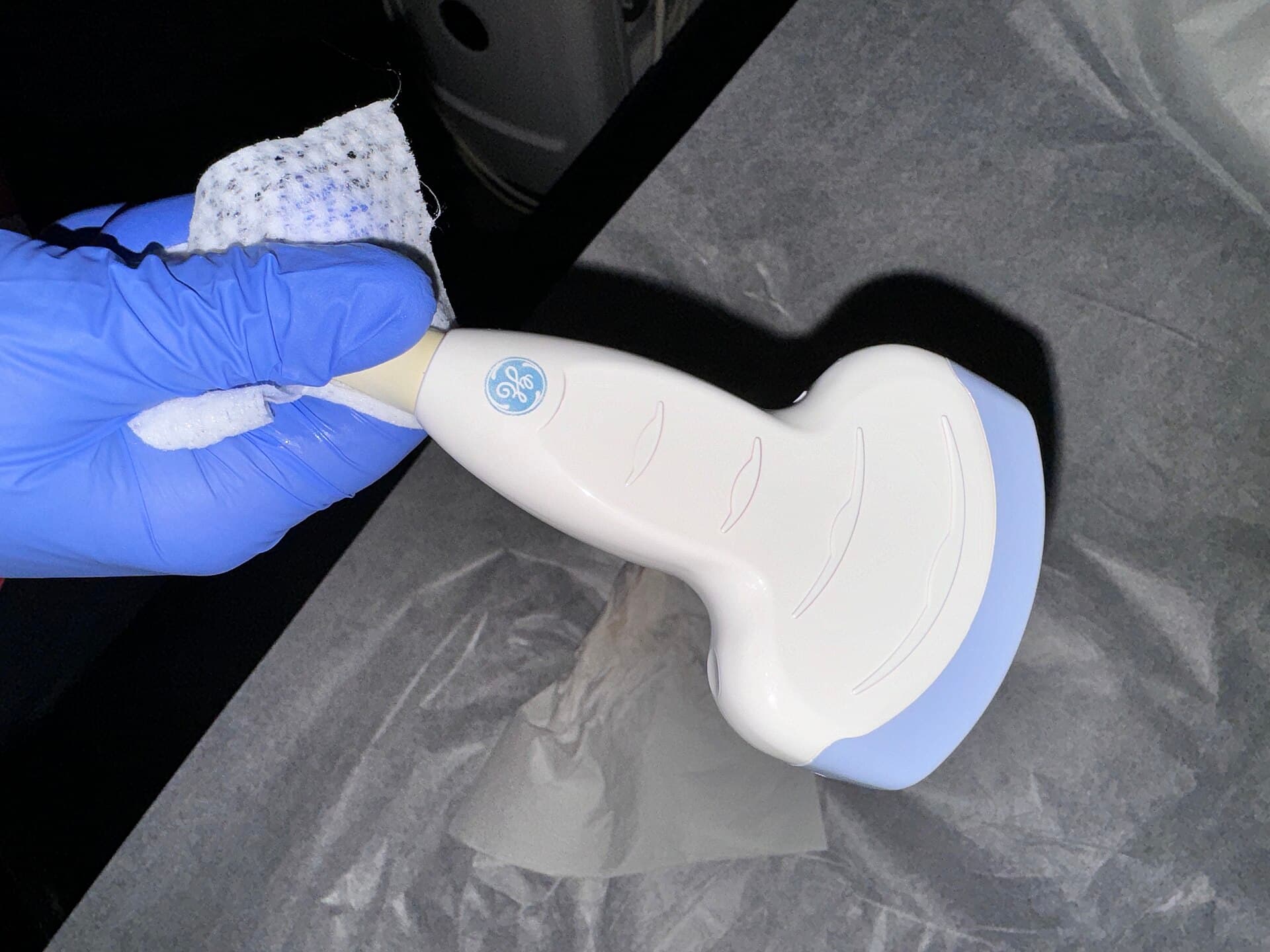
Ultrasound is accessible in Australian cities and is often the first look. It is operator-dependent. MRI is the more sensitive tool for many silicone questions and is also the more expensive, more enclosed, more organised day. Neither is a personality test. Both need a request that mentions implants, plane, and the question being asked.
Mammograms are for breast tissue screening. They are not a rupture test, though a good radiographer will work around a device. Keep the jobs separate.
What a warranty typically covers
Read the card. Commonly: replacement implants for rupture within a period; sometimes a contribution for certain contractures within a shorter window. Rarely: the full Sydney private hospital account. Almost never: your wages.
Ask the surgeon which warranties they actually help patients claim, and which claims they have seen refused. A brochure and a claims department are different literary genres.
A surveillance habit that is not obsessive
- Keep the device sticker or card
- Stay on the ABDR
- Report late unilateral swelling, a new lump, or a sudden saline deflation
- Book the imaging your specialist recommends, not a yearly scan you invented from a US blog
- Tell BreastScreen and any private radiologist that you have implants
If you change cities, take the paperwork. Australian records are good; they are not telepathic.
When replacement is a preference
Some people replace on a ten-year folklore clock. Ten years is not a biological expiry date. It is a round number. Replace because something is wrong, because you want a size change, because you are already having a lift, or because imaging has given you a reason — not because a calendar is superstitious.
Revision is the longer essay on that decision.
Warranties are small comforts. Surveillance is an adult habit. Together they are still less important than choosing, at the start, a surgeon who will answer the phone when the habit finds something.
If you have lost the card
Ask the original rooms. Ask the hospital. Ask the registry whether they hold your record. Describe the year, the side, and any memory of the brand. Future imaging is still possible without a card; it is ruder and slower. Make the phone calls once and then stop rummaging through boxes every year.
What a “silent” rupture week feels like
Often it feels like nothing. Sometimes a change in shape, a new ache, or a knobbly edge. Do not diagnose gel on yourself. Book the imaging you were already due, or book it sooner if the change is new. Then live your week. Silence is a reason for a plan, not a reason to pause your life.
Talking to insurers and rooms about money
Ask the rooms which staff member has actually completed a warranty claim. Ask how long the paperwork took. Ask whether they will write the letters. A warranty that exists only as a PDF in another country is a weaker object than a warranty a local nurse has used.
Put the claim window in your calendar if there is one for contracture. Calendars are how conditions expire while you were being polite.
A closing note from this desk
A warranty replaces a product under conditions. It does not rent a Sydney hospital. Read the card. Ask who in the rooms has actually claimed. Image when your specialist says, not when a US blog says. Ten years is not an expiry date.
If you lose the card, telephone once, file what you get, and stop rummaging. Then live. Silent rupture is a plan, not a personality. The better habit is a reachable surgeon and a drawer that contains the serial.
Changing surgeons and the orphaned device
Rooms close. Surgeons retire. You are not orphaned if you have a card and a registry record. You are orphaned if you have only a first name and a suburb. When you change GPs, mention the implants. When you change cities, ask the old rooms for a digital pack once.
If a new surgeon wants imaging before they accept you, that is not hostility. That is them refusing to guess. Pay for the guess to end.
If a scan is suggested and you are claustrophobic, say so before the day. Open MRI, a longer appointment, or a different first test may be possible. A cancelled scan because nobody asked is how people drift.
Ask whether the request form mentions implants, fill and the clinical question. A form that only says “breast pain” wastes a radiologist. A form that says “silicone implants, query silent rupture, compare if prior” is a professional object. You are allowed to ask for that object.
If you are told a scan is normal and you still feel a change, you may ask for a second read or a different test. Normal is a professional opinion, not a personality. Take the report home. If the language is vague, ask for a sentence you could read to a GP. Vague is how people drift between rooms.
If a manufacturer asks for photographs, ask the rooms to take them in their light so you are not responsible for a rejected angle. Paperwork is a craft. Let the people who have done a claim before do the craft.
This article is independent editorial information for a general Australian audience. It is not medical advice, not a diagnosis, and not an advertisement for a health service or a particular practitioner. Decisions about surgery belong with you and an AHPRA-registered specialist who has examined you. See our editorial standards.
Questions readers send the desk
- How often should I image silent rupture?
- Follow your surgeon and current Australian practice. Many people discuss ultrasound or MRI some years after placement, sooner if something changes. There is no single consumer-magazine interval that overrides a specialist.
- Does warranty mean free revision?
- Usually it means a contribution to a replacement device in defined circumstances. The hospital, surgeon and time off remain yours unless your rooms have a separate policy.